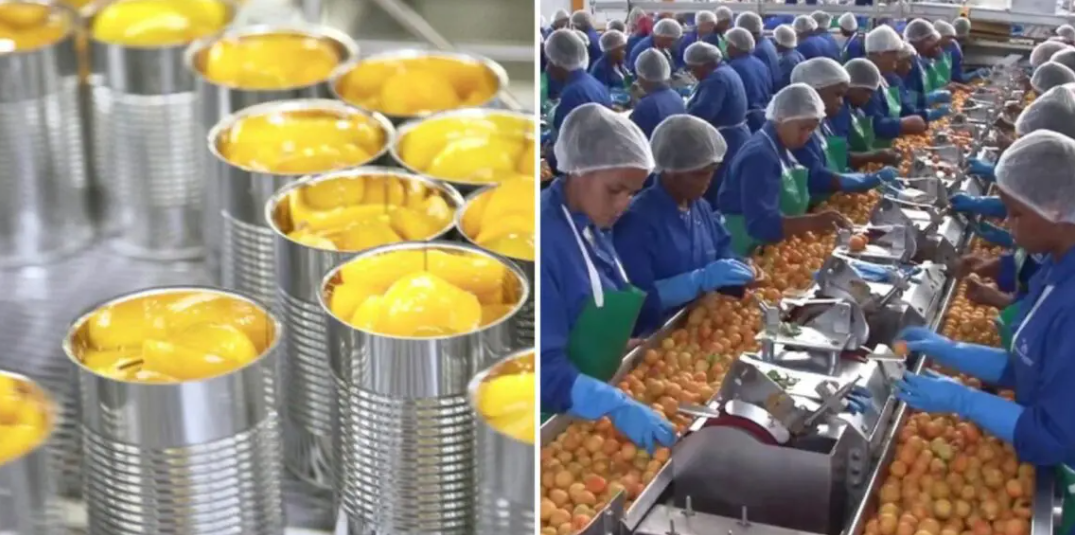

Investment opportunity: Umzingwane Fruit Canning
| Project Name | Umzingwane Fruit Canning |
| Sector | Manufacturing – Agro-processing |
| Problem statement Contact Person | Umzingwane Local Authority Mrs Sithembiso Sibanda Chief Executive Officer 0774208050 sithembisonzangane@gmail.com |
| Location | Esigodini Industrial site |
| Investment Type-Financing Model | Public Private Partnership and Private General business Enterprises |
| Problem statement | Farmers produce large quantities of fruits and vegetables with the target market being local buyers and vegetable markets which are match the supply as result surplus ends up perishing. |
| Objectives | To preserve the farm produce for consumption even off season To reduce loss in the of the farmer attributed to wastages To create and generate value of farm produces( value addition) |
| Project Scope | Establishment of the canning factory, growing of fruit trees and vegetables in all the wards especially schools under an out-grower’s scheme. The project targets the following fruits and vegetables: 1. Citrus Fruits Oranges: Thrive in the warm climate and can be grown on a large scale. Lemons: Suitable for the climate and have a steady market demand. 2. Mangoes Varieties: Tommy Atkins, Haden, and Kent are popular varieties that perform well in warm climates. Seasonality: Mangoes have a seasonal harvest, but with proper management, the yield can be substantial. 3. Papayas (Pawpaws) Growth Rate: Fast-growing and can produce fruit within a year of planting. Market: High demand for fresh fruit and processed products like juices. 4. Stone Fruits Peaches: Varieties like Flordaguard and TropicBeauty are suitable for warm climates. Nectarines: Similar growing requirements to peaches and also commercially viable. 5. Grapes Table Grapes and Wine Grapes: Both types can be grown commercially, with table grapes having a quicker return on investment.Climate: Warm climate with adequate irrigation support. 6. Guavas Hardiness: Drought-resistant and suitable for the semi-arid climate of Umzingwane. Market Demand: Popular for fresh consumption and processing. 7. Pomegranates Adaptability: Thrive in hot, dry climates, making them suitable for Umzingwane. Commercial Potential: Growing demand for fresh fruit and juice. 8. Vegetables (tomatoes, potatoes, cabbage, peas, beans, onions) |
| Project Cost and Funding Required | 1. Land Acquisition Estimated Cost: $10,000 - $50,000 2. Construction Costs Factory Building: Includes the cost of constructing the main building, warehouses, and other infrastructure. Estimated Cost: $200,000 - $500,000 3. Machinery and Equipment Processing Machinery: Includes washing, peeling, cutting, and canning machines. Estimated Cost: $150,000 - $300,000 Packaging Equipment: Machinery for sealing and labeling cans. Estimated Cost: $50,000 - $100,000 Utilities Setup: Includes installation of electricity, water, and waste management systems. Estimated Cost: $30,000 - $70,000 4. Operational Setup Initial Raw Materials: Cost of procuring the initial batch of fruits and other raw materials. Estimated Cost: $20,000 - $50,000 Labor Costs: Wages for hiring skilled and unskilled labor for the initial months of operation. Estimated Cost: $20,000 - $50,000 (depending on the number of employees and local wage rates) Administrative Costs: Office setup, licensing, and initial marketing expenses. Estimated Cost: $10,000 - $30,000 5. Contingency Fund Unexpected Expenses: A buffer for any unforeseen costs during the establishment phase. Estimated Cost: $50,000 - $100,000 Total Estimated Cost Overall Estimate: $500,000 - $1,200,000 |
| Pre-feasibility | 41 farmers producing 55 tonnes /55 000kg of tomatoes in umzingwane district per season (source – district agritex) For Vegetables 22 tonnes or 22 000kgs of vegetables produced yearly in umzingwane district Cost of unprocessed vegetable per bundle =$0.50 For 22 000kg of unprocessed vegetables=$0.50* 22 000= $11 000 Dried and preserved vegetables cost=$3 per kg translating to approx $33 000 per year for processed vegetables using dry mass for the produce produced. Difference between the two,processed and raw =$22 000 Tomatoes Cost raw tomatoes per kg=$1.05 Value 55 000 kg of raw tomatoes produced= $57 750 Value of Processed kg tomatoes=$5/Kg For produce made of 55000kg processed =$275 000 Difference between the two,processed and raw =$217 250 Source of information: TM Pick n Pay Zimbabwe, AGRITEX ESIGODINI DISTRICT OFFICE, CASHEL VALUE |
| Project Status | Greenfield – Council Land is available on Esigodini Industrial Site on a Lease basis. |
| Feasibility Studies | Not yet done |
| Project Economics | Project viability will be ascertained when a detailed feasibility study is carried out. |
| Value Proposition | Investors are being invited to come and establish in Umzingwane, Industrial stand for setting up a canning factory. Land has been set aside and Council is amenable for both investment models of PPP and Private General business Enterprises. The investor should be prepared to finance the out-growers scheme using a hub and spoke model to encourage production of sufficient feed stock as throughput of the processing plant. Benefits to Investors Pre-allocated Industrial Land: Reduces the complexity and time required for land acquisition and initial setup. Government and Local Support: Increased likelihood of successful implementation due to active involvement and support from the local authority. Flexible Investment Models: Options for both PPP and Private General business Enterprises ventures cater to different investor needs and strategies. Sustainable Raw Material Supply: The out-growers scheme ensures a sustainable supply chain, crucial for the continuous operation and profitability of the canning factory. Community Engagement: The hub and spoke model not only ensure raw material supply but also fosters good relationships with the local community, which can be beneficial for long-term operations. |